standards
NICEIC questions whether Milburn apprenticeship incentives go far enough for electrical firms
The electrical certification body welcomed the independent report on young people and work but said electrical contractors face costs well beyond recruitment when they take on an apprentice.
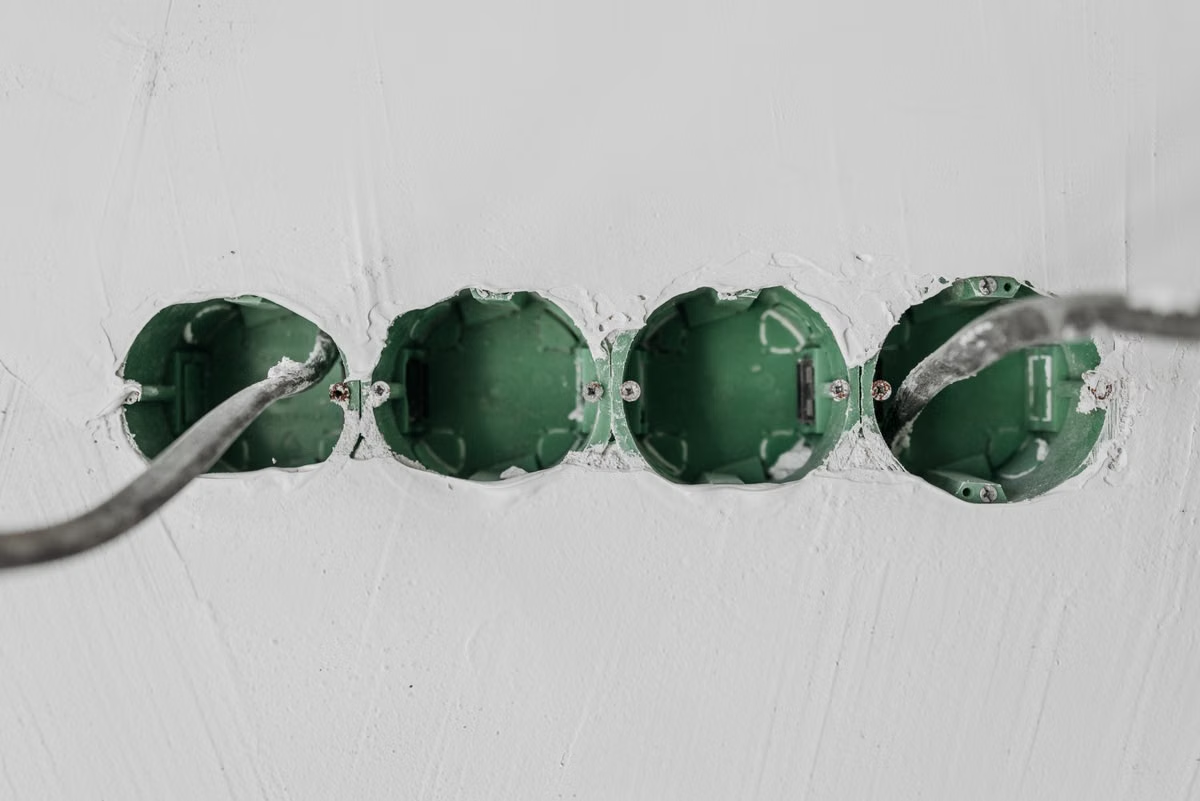
NICEIC has welcomed the Milburn report on young people and work but questioned whether its proposed employer incentives are enough to persuade more electrical businesses to take on apprentices.
The certification body said the report, commissioned by the Secretary of State for Work and Pensions, recommends expanding access to apprenticeships, new employer incentives, a lighter regulatory burden on employers hiring young people and stronger technical and vocational pathways.
Clair Mowbray, NICEIC CEO, said: "For the electrotechnical sector, this reflects a reality we see every day. There is no shortage of young people who want to become electricians, but there are simply not enough apprenticeship opportunities available."
She added: "However, there remain questions about whether the proposed incentives go far enough to significantly change employer behaviour."
The proposals
Among the key proposals NICEIC picked out, the report calls for the number of young people completing apprenticeships to double over the next decade.
Employers taking on a young person who has been NEET (not in education, employment or training) for six months would receive a £3,000 payment. Small businesses with fewer than 50 employees would receive an extra £2,000 on top.
The report also proposes raising the apprenticeship hiring payment from £2,000 to £2,500 and extending it to employers who pay the Apprenticeship Levy, NICEIC said. College funding would be changed to recognise and reward student outcomes rather than the number of places provided.
Mowbray said taking on an apprentice is a long-term investment and that, for many electrical businesses, the challenge extends beyond the initial recruitment cost. She said businesses across the electrotechnical sector would be integral to achieving the report's ambitions and urged the Government to work closely with industry.
The report
The Department for Work and Pensions (DWP) describes the report as an independent review of the increase in the number of young people not in education, employment or training. The Secretary of State commissioned the Rt Hon Alan Milburn to author it.
NICEIC's release describes the report only as "recently published". According to GOV.UK, the final report appeared on 17 November 2026. When the review was launched, the government said nearly one million young people, about one in eight of those aged 16 to 24, were NEET. In its response to the report it said the total is now close to a million.
Pat McFadden, Work and Pensions Secretary, said: "For too long, too many young people have been written off".
What happens next
The government said it is committing to a new Opportunity and Support Guarantee, giving young people a guaranteed next step into college, training, an apprenticeship, work experience or a job.
It said it will consider the whole Milburn report alongside the Timms review ahead of a white paper next year.
NICEIC, founded in 1956 as the National Inspection Council for Electrical Installation Contracting, says its register now exceeds 40,000 certified businesses, up from more than 6,000 in 1977 and more than 27,000 in 2014. It has launched Connected Futures, an electrotechnical apprenticeship job board linking aspiring apprentices with NICEIC-certified businesses, and has said the sector must address the growing skills gap across construction by encouraging more people in and putting training mechanisms in place.
On the record: Department for Work and Pensions
Sources
- NICEIC (opens in a new tab) (accessed 2026-11-19)
- Department for Work and Pensions (GOV.UK) (opens in a new tab) (accessed 2026-11-19)
- Department for Work and Pensions (GOV.UK) (opens in a new tab) (accessed 2026-11-19)
- Department for Work and Pensions (GOV.UK) (opens in a new tab) (accessed 2026-11-19)
- NICEIC (opens in a new tab) (accessed 2026-11-19)
This story was researched from the primary sources above and checked against them before publication. Spotted an error? Tell us and we will correct it promptly.