HVAC
HPA UK says Budget heat pump VAT rise and BUS freeze erode sector confidence
The heat pump trade body said the Autumn Budget's 5% VAT rate from April 2027 and a freeze on Boiler Upgrade Scheme spending risk a market hiatus, while welcoming moves on electricity costs.
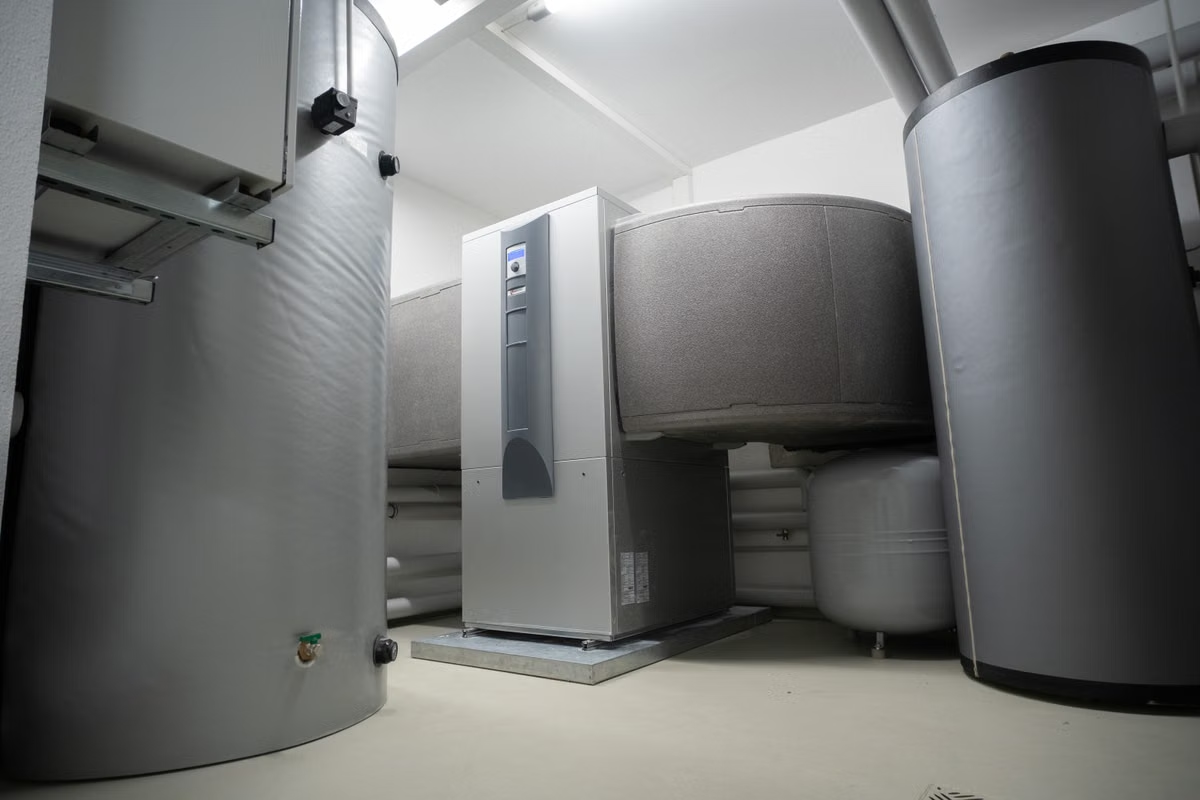
HPA UK, the trade body for the heat pump sector, has said the Autumn Budget delivered on 28 October 2026 adds uncertainty to heat pump deployment, citing a rise in VAT on heat pumps to 5% from April 2027 and a freeze on Boiler Upgrade Scheme spending.
In its response, the association said the Chancellor had announced a freeze on Boiler Upgrade Scheme (BUS) spending at current levels, alongside the VAT change, zero- and low-interest loans through the Warm Homes Loan Scheme, and support for eligible businesses through the British Industrial Competitiveness Scheme.
Charlotte Lee, chief executive of HPA UK, said: "Today's Budget represents yet another injection of uncertainty into the deployment of heat pumps, further eroding confidence across the sector."
She added: "Reducing planned funding for the Boiler Upgrade Scheme, at a time when applications are growing strongly is incomprehensible and risks creating a hiatus in the market whilst the sector waits for the full implementation of the Warm Homes Plan."
What the Treasury document says
The Budget document published by HM Treasury sets out several measures HPA UK referred to on energy prices. It extends the VAT cut on electricity to July 2027, commits to a comprehensive Cost Control Framework being in place at the spending review in 2027, and commits to reforming electricity standing charges, with further details to be announced next year. It also launches a £2.6bn Household Energy Payment.
Lee said the £2.6bn winter household support was a sticking plaster, while saying the government was right to protect consumers. She welcomed the commitment to reduce electricity costs through the Cost Control Framework and standing charge reform, and said the Warm Homes Loan Scheme was an important measure for upfront costs, but that without further action on electricity costs it would not be enough to drive the market.
The Warm Homes Plan commits £15bn of government investment, according to the Department for Energy Security and Net Zero.
The scheme's recent take-up
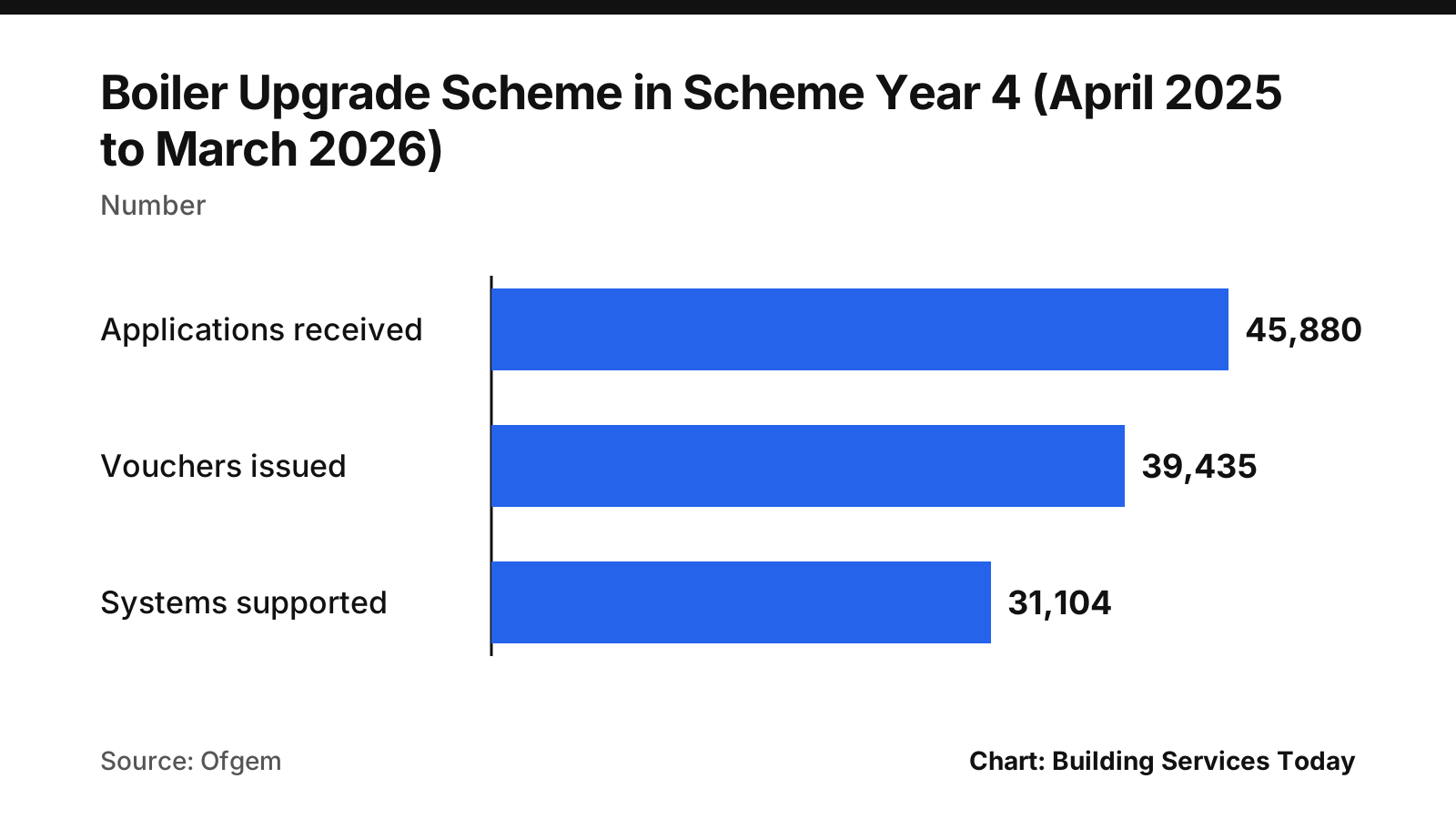
Ofgem's annual report on the BUS for Scheme Year 4, covering April 2025 to March 2026, gives the scale of demand behind the association's concern. The regulator said it received 45,880 applications, issued 39,435 vouchers and paid grants worth £233.1m supporting 31,104 low-carbon heating systems.
| Boiler Upgrade Scheme, Scheme Year 4 | Number |
|---|---|
| Applications received | 45,880 |
| Vouchers issued | 39,435 |
| Systems supported by grants paid | 31,104 |
Ofgem said total grants paid since the scheme began reached £560.3m.
The market
HPA UK's own figures recorded 125,037 heat pump sales in 2025, including 110,353 hydronic units, a 27% increase on the previous year. The association said 36% of heat pumps sold in 2025 were manufactured in the UK.
To reach the government's target of 450,000 installations a year by 2030, HPA UK said sales would need to grow at 33% compound annual growth. Lee said meeting that target could deliver £3.2bn in economic activity, and called for action to reduce the price of electricity relative to gas, paired with clarity and implementation on the full package of clean heating support.
Beyond the British Industrial Competitiveness Scheme, which she said would help a small number of firms, Lee said the Budget offered nothing to help businesses electrify.
Further details on standing charge reform are due from the government next year, with the Cost Control Framework scheduled to be in place at the 2027 spending review.
On the record: Department for Energy Security and Net Zero
Sources
- HPA UK (opens in a new tab) (accessed 2026-10-29)
- HM Treasury (GOV.UK) (opens in a new tab) (accessed 2026-10-29)
- Department for Energy Security and Net Zero (GOV.UK) (opens in a new tab) (accessed 2026-10-29)
- Ofgem (opens in a new tab) (accessed 2026-10-29)
- HPA UK (opens in a new tab) (accessed 2026-10-29)
This story was researched from the primary sources above and checked against them before publication. Spotted an error? Tell us and we will correct it promptly.